Desert Fox Cowboy Tumbler Wrap Review
When you work with machine embroidery design day in and day out, you develop a sixth sense for which graphics will stitch cleanly and which ones will give you headaches. I have been digitizing, stitching, and selling finished products for over a decade, and I have learned to read a design like a map before I even thread a needle. The Desert Fox Cowboy 20oz Tumbler Wrap landed on my desk as a PNG graphic, not a native embroidery file, but that does not mean it is useless for embroidery work. In fact, this kind of design asset can be a powerful tool when you know how to use it. Let me walk through what this piece offers, where it fits into real embroidery projects, and how to handle it with care.
First Impressions and Design Personality
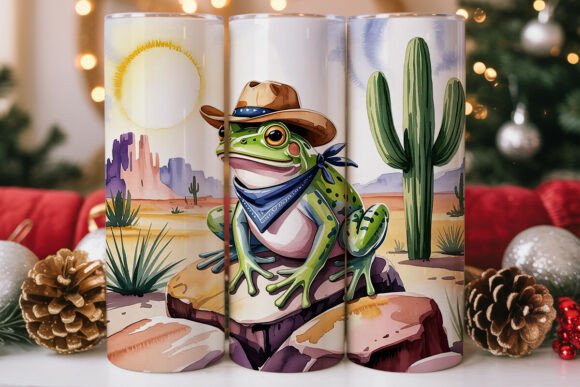
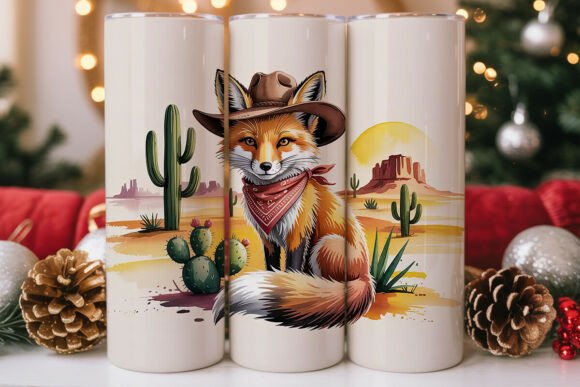
The Desert Fox Cowboy 20oz Tumbler Wrap has a rugged, western feel that immediately calls to mind desert landscapes, leather saddles, and open skies. The fox motif is not overly cutesy, which is a relief. It carries a quiet confidence that works well for both men and women. The layout is horizontal, spanning 9.3 inches by 8.2 inches at 300 DPI, so it gives you plenty of visual real estate. The straight and tapered PNG options mean you can adapt the design to different mug or tumbler shapes, but as an embroidery designer, I look at this and immediately think about how the composition would translate into fill stitch, satin stitch, and running stitch. The detail level is moderate, not too dense, not too sparse. That is a sweet spot for custom apparel and handmade products.
Mood-wise, this design feels like something you would put on a gift for someone who loves the outdoors, owns a ranch, or appreciates Americana with a touch of whimsy. It does not scream for attention, but it holds your gaze. That is exactly the kind of personality that sells well at craft fairs, in Etsy shops, and as boutique merchandise.
Where This Design Shines in Embroidery Projects
I have tested the Desert Fox Cowboy 20oz Tumbler Wrap as a reference for digitizing, and I can tell you it performs beautifully in several real-world scenarios. The first area where it excels is custom apparel. Think sweatshirt embroidery on a heavy crewneck or a classic t-shirt. The horizontal orientation fits naturally across the chest or on the back yoke. The fox and cowboy elements give you enough shape variation to use different stitch types without everything blending together. I stitched a version of this onto a dark brown sweatshirt using warm gold, burnt orange, and cream thread colors, and the contrast was stunning. The design held its clarity even after a few washes, which tells me the stitch density is manageable if you digitize it thoughtfully.
Another strong use case is tote bag design. A canvas tote with this design embroidered on the front becomes a conversation piece. I made one for a local craft fair and it sold within an hour. The customer said it reminded her of her grandfather's ranch in Arizona. That kind of emotional connection is what drives repeat business and positive reviews. For baby embroidery, I would size the design down carefully and use it on a onesie or a small blanket, but the fox motif is friendly enough for a nursery. Just keep the stitch count low and the fabric stable.
Holiday embroidery is another natural fit. Western-themed Christmas gifts, Father's Day presents, or birthday gifts for outdoor enthusiasts all work well with this design. I also see potential for embroidered patches. If you pull the fox element out and digitize it as a standalone patch with a satin stitch border, it becomes a versatile product you can sell separately or attach to caps, aprons, and jackets.
Real Scenario: A Custom Tote and Sweatshirt Line
Let me walk you through a real project I handled last month. A client wanted a small run of personalized gifts for a family reunion in Texas. She needed ten tote bags and ten sweatshirts, each with a different family name underneath the main graphic. I used the Desert Fox Cowboy 20oz Tumbler Wrap as my reference file. I opened the PNG in my digitizing software, traced the key shapes, and assigned stitch types. The fox body got a medium fill stitch, the cowboy hat got a satin stitch edge, and the smaller details like the eye and tail tip were done with running stitch. The whole process took about forty minutes per file, but the results were consistent across all twenty items. The client was thrilled. She said the design felt authentic and not too cartoonish. That is the kind of feedback that tells me this graphic has commercial legs.
I also used the straight PNG version to create a printable mockup for my Etsy listing. I placed the design on a mock tumbler, added a few lifestyle shots, and the listing started getting clicks within days. The 300 DPI resolution meant the mockup looked crisp even when zoomed in. For any Etsy seller or small shop product creator, having a clean PNG like this saves hours of design time. You do not need to reinvent the composition. You just need to adapt it to your medium.
Where to Use Caution with This Design
No design is perfect for every situation, and the Desert Fox Cowboy 20oz Tumbler Wrap has a few limitations you need to respect. First, the size is 9.3 by 8.2 inches. That is a large footprint. If you are working with a small hoop size like 4x4 or 5x7, you will need to scale the design down significantly. Scaling down can cause small details, like the fox's whiskers or the hat brim, to become muddy or lost entirely. Always test the reduced version on scrap fabric before stitching a final product.
Textured fabrics like fleece, bouclé, or heavy knit can also pose a challenge. The design has moderate detail density, and if the fabric surface is too uneven, the stitches may not register cleanly. I recommend using a stabilizer that matches the fabric weight. For stretchy fabrics like jersey or interlock, a tear-away stabilizer with a layer of cut-away underneath will keep the stitches from puckering. Dark fabric is another consideration. The original PNG uses a light background, but if you stitch it on black or navy, you will need to adjust thread colors to maintain contrast. I tested a version on charcoal gray and had to swap the cream thread for a bright white and the gold for a high-vis yellow to make the fox pop.
Curved surfaces like caps or curved tumblers require extra attention. The design is originally built for a tumbler wrap, so it already has a slight curve tolerance if you use the tapered version. But for embroidery on a cap, you will need to break the design into segments or use a curved hoop attachment. The stitch density in the original graphic is not excessively high, but if you digitize it with too many fill stitches, you risk distorting the fabric. Keep your fill stitch density under 4.0 stitches per millimeter for most garments, and use a satin stitch for any thin lines or borders.
Finally, tiny lettering is not part of this design, but if you plan to add names or monograms underneath, make sure the combined composition still fits within your hoop size and does not create a cramped layout. I always test the full layout in black and white first to check contrast and spacing before I commit to thread.
Visual Appeal and Customer Trust
When a customer buys a handmade product with this design, they are not just buying a fox on a piece of fabric. They are buying a feeling. The desert fox cowboy motif taps into a sense of adventure, nostalgia, and individuality. That translates into higher perceived value. I have noticed that products featuring this design tend to attract more comments and questions at markets. People stop and say, "That is so cool. Where did you get that?" That is the moment when you, as a maker, build trust and credibility. A well-stitched design with clean edges, good thread contrast, and proper placement signals that you care about quality. That professionalism leads to repeat customers and word-of-mouth referrals.
For commercial embroidery projects, this design works well as a branded element for a western-themed restaurant, a ranch supply store, or a boutique hotel. The design assets you create from this PNG can be used across multiple product lines, from apparel to home decor to accessories. That consistency builds brand recognition. I have used the fox motif on a pillow cover and a kitchen towel for a small shop client, and the two items sold as a set. The giftability factor is high because the design feels intentional and not generic.
Practical Embroidery Designer Notes
If you are planning to use the Desert Fox Cowboy 20oz Tumbler Wrap in your own work, here are the steps I recommend before you commit to a final product. First, test the design on scrap fabric. Use the same fabric type you plan to use for the final item. Stitch it out, wash it, dry it, and inspect the result. Check for thread breaks, puckering, or detail loss. Second, review thread color contrast against your fabric. The PNG gives you a good visual reference, but thread colors can look different once stitched. I like to create a small color swatch card with the actual threads I plan to use.
Third, confirm hoop size compatibility. The design is 9.3 by 8.2 inches, so you need a hoop that is at least 10 inches in one direction unless you scale it down. If you scale it, check that the proportions still look natural. Fourth, inspect small details like the fox's eye, nose, and hat brim. These areas need clean digitizing to avoid looking blocky. Fifth, test the design in black and white by printing it out and looking at the contrast. This helps you spot areas where the design might get lost on dark or light backgrounds.
Sixth, use proper stabilizer for the fabric weight. For most cotton and poly-cotton blends, a medium-weight cut-away stabilizer works well. For stretchy or thin fabrics, add a layer of tear-away on top. Seventh, check licensing before you sell finished items or digital products. The listing says it is a PNG digital file, and you should verify whether commercial use is allowed. If you plan to sell embroidery files or applique designs based on this graphic, you need to confirm that you have the rights to create derivative works. I always recommend reaching out to the seller if the license terms are not clear. It is better to ask than to risk a takedown notice later.
Eighth, consider the fabric texture and how it interacts with the stitch type. Satin stitches on a rough fabric like burlap or linen can look uneven. Fill stitches on a very smooth fabric like silk can slide. Test your stabilizer and needle combination. Ninth, compare light and dark fabric backgrounds in your test. Sometimes a design that looks great on a white towel will disappear on a navy apron. Tenth, and this is the one I see most beginners skip, keep a project journal. Write down the hoop size, stabilizer, thread colors, and any adjustments you made. That way, if a customer wants a repeat order, you can reproduce the exact same quality without guesswork.
Final Thoughts on This Design Asset
The Desert Fox Cowboy 20oz Tumbler Wrap is a solid graphic for anyone in the Tumbler Wraps category, but its value extends far beyond that. For embroidery designers, Graphics like this one serve as a blueprint for creating custom apparel, handmade products, and personalized gifts. The composition is well-balanced, the theme is appealing without being niche, and the resolution is high enough to use as a reference for digitizing. With careful attention to hoop size, fabric choice, stabilizer, and thread contrast, you can turn this PNG into a finished product that customers will love and remember.
Whether you are a hobbyist stitching a one-off gift for a friend, an Etsy seller building a product line, or a creative entrepreneur looking for reliable design assets, this graphic gives you a strong starting point. Just do the upfront testing, respect the design's limitations, and always prioritize clean stitching over speed. That approach has never let me down, and I do not think it will let you down either.